

How Earth's Solar System Siblings Grew Apart
September 1, 2026

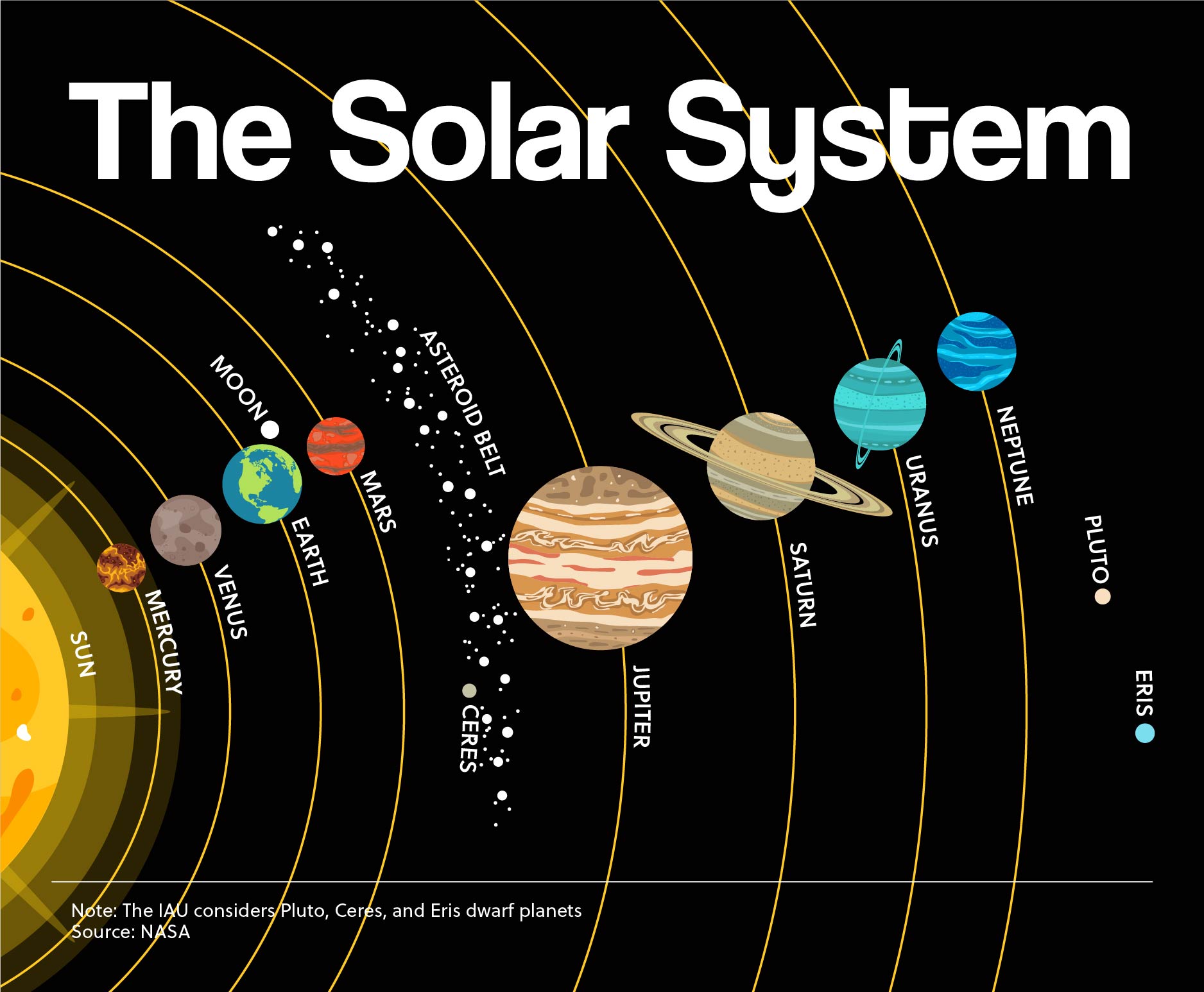
Venus, Earth, and Mars look about as different as three planets can. Venus is a dense orb of brown. Earth is the solar system’s blue-and-green jewel. And Mars seems a dusty, red sphere of stone and sand. Yet, once upon a time, they were much more alike.
"If you were an alien visiting our solar system 4 billion years ago, you would see three rocky planets, each of which had oceans," Martha Gilmore told NPR. She's a Wesleyan University Earth and Environmental Sciences professor.
Why our planet bloomed and the others remained barren is more than a matter of distance from the sun, experts say. Internal heat and pressure also played a major role in the planets’ change.
When first created, all planets hold a certain amount of heat within their cores. That heat is slowly lost into space over time. But the rate at which that heat is lost is based on the size of the planet.
"It's like Thanksgiving,” Gilmore explained. “You have a hot potato, you know, baked potato and you've got peas and you want to eat that potato, but it's too hot. But the peas, they're ready to go because they have radiated out their heat because they're small."
Mars is a “pea”. It cooled quickly. Without an atmosphere or the gravity to hold one, its water evaporated into space. That left it dry and dusty. Earth’s heat escapes more slowly. That's allowed our oceans to remain and life to develop. Venus is far closer to the sun’s heat. It's also the same size as Earth. But its dense atmosphere and surface pressure keep it swelteringly hot. Its average temperature is over 800 degrees Fahrenheit. That's a recipe for a very different planet.
Reflect: What factors do you think are most important for a planet to support life?
News brought to you by 
Read More News Stories Today!