

El Niño Sends Bulgy 'Pancake' of Water Named Kelvin Toward California Coast
October 16, 2026

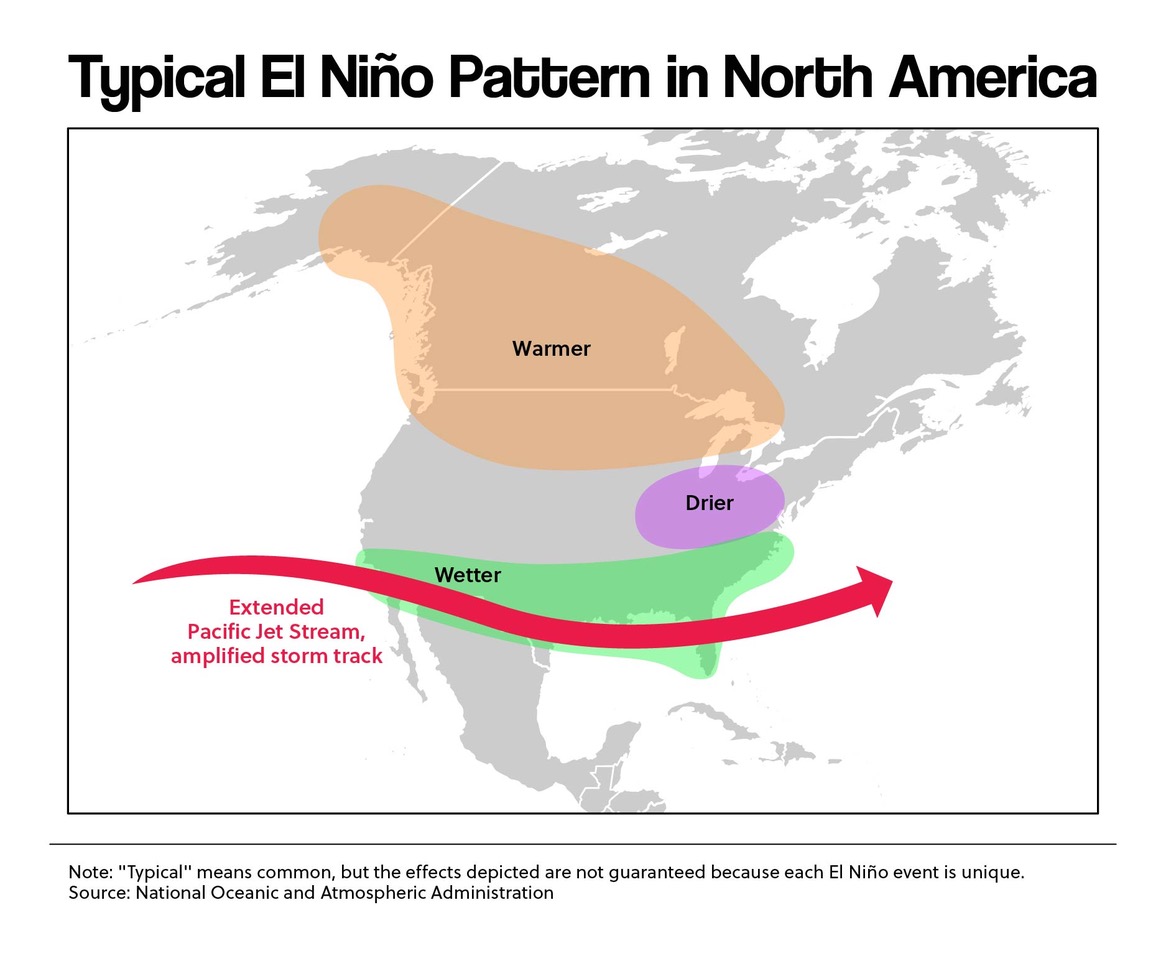
You can’t see it from the beach or feel it from a boat, but a slow-moving bulge in the Pacific Ocean is lifting sea levels along California’s coast this month. Scientists call it a Kelvin wave, and it is one of the clearest signs yet that a strong El Niño has reached the US.
El Niño is a weather pattern over the Pacific that sees its normal east-west wind pattern reverse. It occurs roughly every two to seven years. "During a developing El Niño, trade winds weaken, and strong westerly wind bursts occur across the equatorial Pacific," Jason Nicholls said in a report. He's a lead forecaster for AccuWeather. Those bursts of wind push warm surface waters east.
Oceanographer Dillon Amaya told National Geographic that a Kelvin wave is like a pancake. It's thousands of miles across but only inches tall. There’s no new water in the wave. Instead, it works like the liquid in a bathtub might if you rocked it back and forth. Right now, the Pacific is “rocking” toward California.
Experts expect the wave to raise California sea levels by 6 to 12 inches. That may sound small. But Amaya notes that even a few inches can double flood risk in low-lying areas. The bigger concern is timing. El Niño tends to bring stormy weather. And unusually high “king tides” are expected later this fall. Coastal waters could stay higher for months. California Governor Gavin Newsom issued a statewide emergency declaration in September to help prepare for the effects of El Niño.
The wave is named for Lord Kelvin. He's the British physicist who first described it using math.
Reflect: How does your community prepare for extreme weather or natural events?
News brought to you by 
Read More News Stories Today!