

Citing Savings, Trump Admin Guts Greenhouse Gas Rule
September 17, 2026

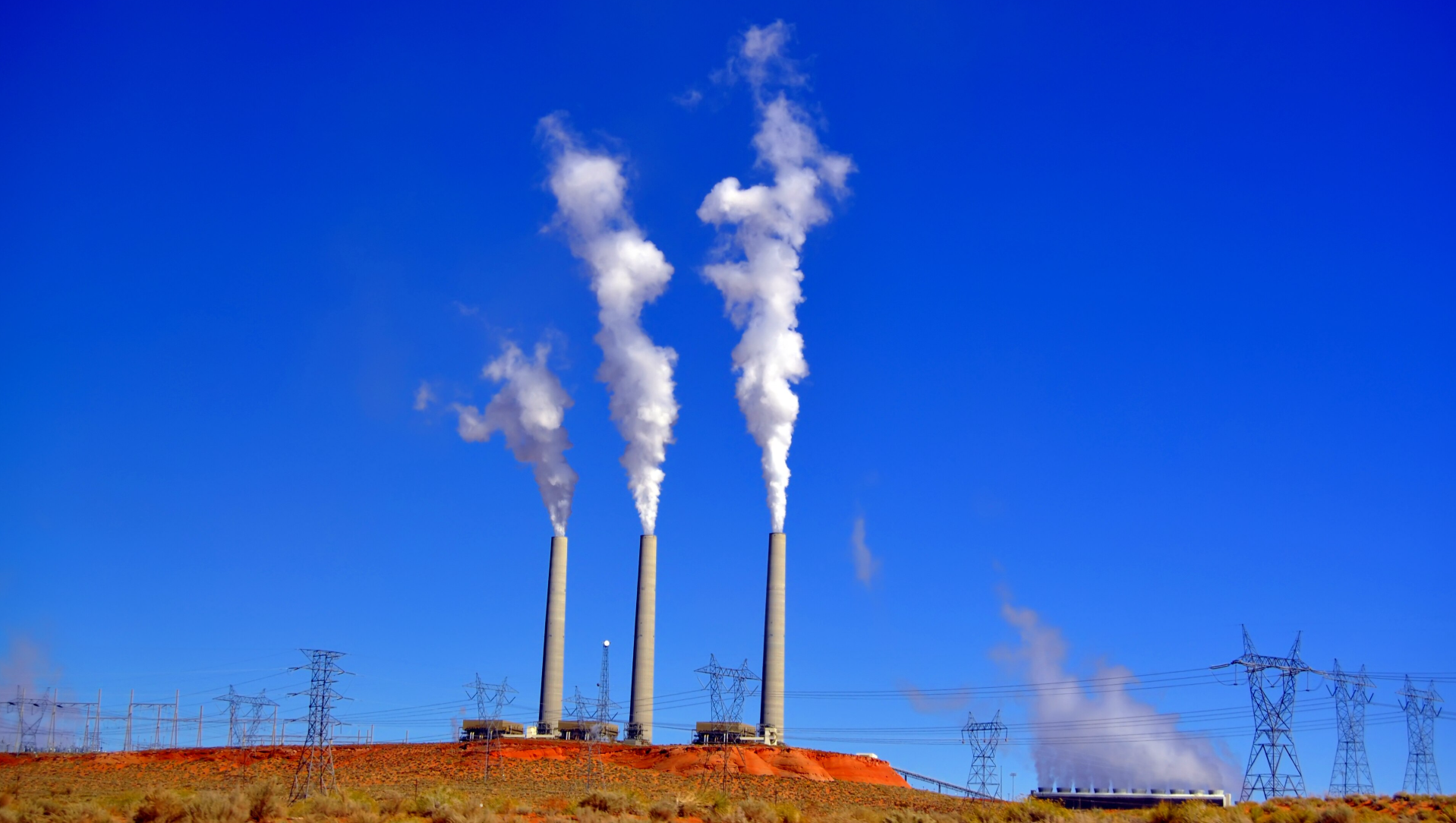
The White House on Monday repealed a 2024 climate rule. It limited carbon emissions from coal- and gas-fired power plants. Trump officials claim the repeal might save the energy industry more than $300 billion over the next two decades.
Cue the incoming legal challenge from critics who insist the existing rule saves lives.
The fight traces to 2015. That's when the Obama administration placed the first federal limits on carbon dioxide from existing power plants. Trump's first EPA weakened those limits in 2019. The Biden administration responded in 2024 with a narrower rule. It required power plants to add tech to capture the carbon they produce. It projected the rule would prevent 1,200 deaths and 360,000 cases of asthma. It also said it would save 57,000 lost workdays by 2035 alone.
The White House isn't just getting rid of the rule. It also seeks to cut the EPA’s authority to regulate power plant emissions under the Clean Air Act. It argues the pollution has "no material impact on global climate change."
Lee Zeldin is Trump's EPA administrator. He framed the move as a way to make energy cheaper. "(We have) come in to protect American energy and to make sure you can afford to keep the lights on," Zeldin said in a written statement. He suggested that power companies could pass along any savings to their customers in the form of lower electric bills.
Climate experts criticized the repeal. So did public health advocates. They say that the 2024 rule could have saved $120 billion in health care savings through 2047. “This is full-throated climate denial,” Patrick Drupp told NBC News. He is the climate policy director at the Sierra Club. He said the repeal will mean more pollution. It could also lead to more severe weather. Drupp also pointed out that energy prices could actually go up. That's because the repeal may force the US to keep using old power sources, instead of switching to solar or wind.
Critics successfully challenged similar rollbacks in court during Trump's first term. They have vowed to sue again.
Reflect: What's something you'd protect even if it cost you money or convenience?
Photo of a coal-fired powered plant in Arizona from Wikimedia Commons courtesy of Matthew Dillon.
News brought to you by 
Read More News Stories Today!