
Air Quality Lesson: Air Pollution
Created by Teacher(s): Emiliano Amaro, Lindsey Pockl|Published on: October 19, 2021
Grades: 3, 4, 5
Type: Lesson Plan
Subjects: Geography, English Language Arts
Duration: 1 hour
Created by: SubjectToClimate teachers
Region: North America, USA - West, United States, Global, California
This resource has been reviewed by SubjectToClimate's climate scientists and verified for scientific accuracy and up-to-date information. Learn about our review process →
This resource has been reviewed by SubjectToClimate's climate scientists and verified for scientific accuracy and up-to-date information. Learn about our review process →
Synopsis
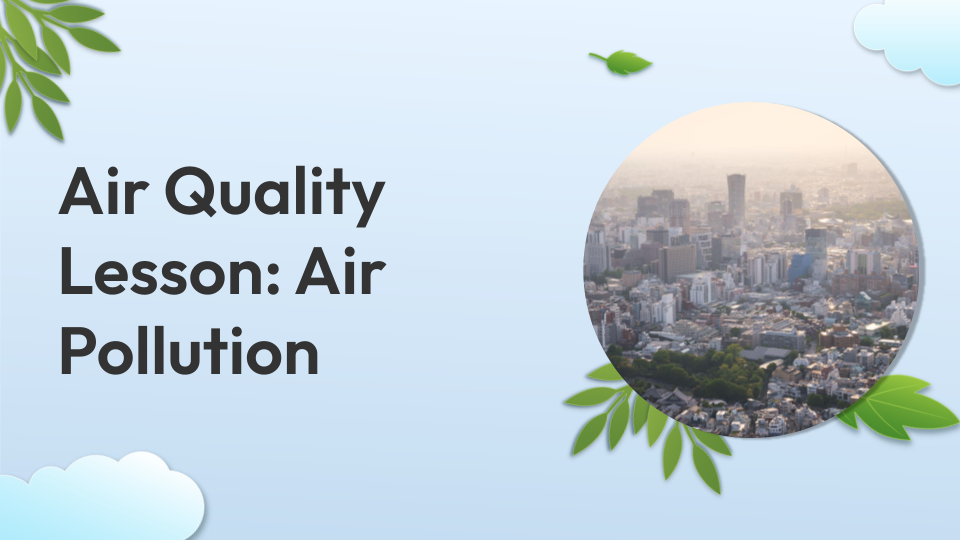
In this lesson, students learn about particle pollution.
Inquire: Students review key concepts from Why Is Coco Orange? and watch a video on air pollution in Los Angeles.
Investigate: Teacher plays the Cilia Game with students.
Inspire: Students explore an interactive map of air quality and complete a journaling entry.
Share: This lesson plan is licensed under Creative Commons.
Related Lessons, Units, and Activities Teaching Materials
Accompanying Materials
Lesson Plan Preview
Teaching Tips
Standards
Teacher Writer

Emiliano Amaro
3-5 ELD and ELA Teacher
Emiliano Amaro holds a Bachelor's degree in Society and Environment from the University of California, Berkeley and a Master of Education from the UCLA Teacher Education Program. He has been teaching since 2020 and has six years of experience in elementary education, middle school English, and middle school mathematics. Emiliano holds a California Multiple Subject Teaching Credential and specializes in social and environmental justice through interdisciplinary teaching and environmental education.
Lindsey Pockl
Lindsey worked with SubjectToClimate to develop accompanying materials for lesson plans for grades 3-12.
Scientist Reviewed
This resource has been reviewed by SubjectToClimate's climate scientists and verified for scientific accuracy and up-to-date information. Our review process ensures that every resource in our library reflects the current state of climate science.
Learn about our review process →