
Is Recycling Still Worth It Anymore in 2021?
Provided by: NowThis Earth|Published on: April 27, 2021
Grades: 6, 7, 8, 9, 10, 11, 12
Type: Videos
Subjects: Economics, Engineering
Authors: NowThis Earth
Region: Global
Languages: English
This resource has been reviewed by SubjectToClimate's climate scientists and verified for scientific accuracy and up-to-date information. Learn about our review process →
This resource has been reviewed by SubjectToClimate's climate scientists and verified for scientific accuracy and up-to-date information. Learn about our review process →
Synopsis
- This video by NowThis Earth breaks down plastic recycling, showing the true social and environmental costs of "recycling" some plastics.
- Students will understand the flaws of the current United States recycling system, changes to where our waste has gone, and what it will take to have a better system.
Teaching Materials
Positives
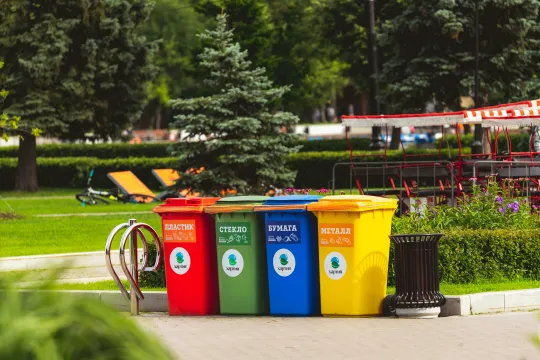
- This video outlines the environmental injustice of the global plastic recycling system. Much of the plastic that is "recycled" in the United States (except #1 and #2) is shipped to the Global South and may not be recycled.
- This video is dynamic and features excellent graphics.
Prerequisites
- This may change the narrative in your classroom or school, showing that plastic recycling is not what you think it is.
- Students can engage in any number of higher-priority climate actions at school, including advocating for more plant-based food, reducing food waste, or creating no-idle zones to reduce emissions from cars and buses.
- One way to fix the broken plastic recycling system is simply to consume less plastic in the first place. So if students ask what they can do, suggest a personal action they can take for the climate: buy less stuff.
Differentiation & Implementation
- After students watch the video, they can pivot to a different environmental campaign, such as Meatless Mondays or the installation of School Hydration Stations.
- Students can research local recycling systems to learn what can actually be recycled in their town.
- Note that paper, cardboard, glass, and aluminum are recycled domestically and are very important to reduce our impacts on the planet. Students can look to purchase products made from 100% recycled material and can look for paper, glass, and aluminum as alternatives to plastic packaging/items.
The video explores the state of global recycling systems and the need to enact laws to stop plastic production and improve waste management. There is no contradiction in the video, and this is recommended for teaching.
Teaching Tips
Standards
Resource Type and Format
Scientist Reviewed
This resource has been reviewed by SubjectToClimate's climate scientists and verified for scientific accuracy and up-to-date information. Our review process ensures that every resource in our library reflects the current state of climate science.
Learn about our review process →