
Investigating Cabbage Traditions
Provided by: Center for Ecoliteracy|Published on: December 16, 2022
Grades: 3, 4, 5
Type: Lesson Plans
Subjects: Science, Social Studies
Authors: Center for Ecoliteracy
Region: North America, USA - West, United States
Languages: English

This resource has been reviewed by SubjectToClimate's climate scientists and verified for scientific accuracy and up-to-date information. Learn about our review process →
This resource has been reviewed by SubjectToClimate's climate scientists and verified for scientific accuracy and up-to-date information. Learn about our review process →
Synopsis
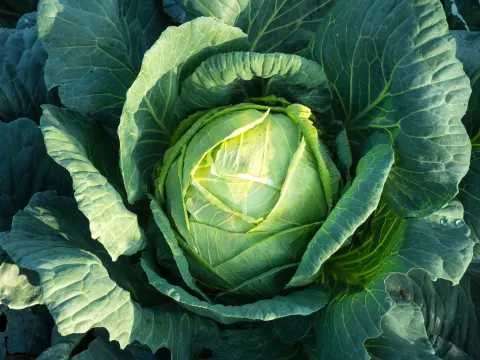
- In this hands-on lesson, students will learn about the many uses for cabbage, compare the different tastes and textures of cabbage varieties, and learn about cabbage's cultural significance as they identify family food traditions.
- Students will read articles about the importance of cabbage, participate in a comparison tasting of cabbage, interview family members or friends about memories and experiences eating cabbage, and create a class chart showing different cultural heritages based on the interviews.
Teaching Materials
Positives
- This lesson plan is clearly written and organized, allowing teachers to pick it up and quickly find learning objectives, materials, vocabulary, directions, and an assessment.
- This resource provides a helpful list of additional resources that can be used.
Additional Prerequisites
- This lesson requires one or two 50-minute sessions, with additional time in between to conduct interviews.
- The "Preparation" section lays out multiple steps that teachers must take prior to the lesson, including printing and cutting out printable materials and purchasing and preparing cabbage before class.
Differentiation
- A simple rubric (to include description of food tradition, reference to an interview or class chart, and adjectives from taste test) may help guide students' written assessment paragraphs.
- Some families may not have cabbage traditions, so you can provide the opportunity for those students to interview someone about another food that holds cultural significance within their families. Provide another special time for those interviews to be shared in order to focus on cabbage during this lesson.
- The "Extended Learning" section provides some wonderful, project-based ideas that will require some additional thought, student support, and longer-term planning.
- Also consider extending students' learning in class using other resources, such as this lesson plan about food choices and the origins of certain foods, this foodprint calculator, or this resource about food systems in California.
This resource is a lesson on cabbage, its uses and variety, and cultural importance. All information is accurate and verifiable. This resource is recommended for teaching.
Teaching Tips
Standards
Resource Type and Format
About the Partner Provider

Center for Ecoliteracy
The Center for Ecoliteracy advances the teaching and modeling of sustainable practices in K–12 schools. The organization builds partnerships and the capacity of K–12 schools to support healthy, sustainable school communities and food systems change in schools. The Center for Ecoliteracy leads systems change initiatives, publishes original books and resources, facilitates conferences and professional development, and provides strategic consulting. The organization works at multiple levels of scale, with local, regional, state, and national programs.
Scientist Reviewed
This resource has been reviewed by SubjectToClimate's climate scientists and verified for scientific accuracy and up-to-date information. Our review process ensures that every resource in our library reflects the current state of climate science.
Learn about our review process →