
Get to Know Insects
Provided by: Learning for a Sustainable Future|Published on: August 10, 2026
Grades: 1-8
Type: Activity - Outdoors
Subjects: Science
Authors: Get to Know Program
Region: Global
Languages: English
This resource has been reviewed by SubjectToClimate's climate scientists and verified for scientific accuracy and up-to-date information. Learn about our review process →
This resource has been reviewed by SubjectToClimate's climate scientists and verified for scientific accuracy and up-to-date information. Learn about our review process →
Synopsis
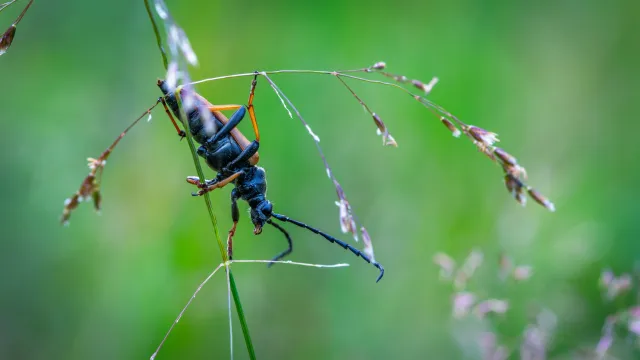
- In this outdoor activity, students search for live insects in several different locations, then draw them and describe their movement and behavior on an observation worksheet.
- An accompanying backgrounder describes the characteristics of insects along with other arthropods such as spiders and crustaceans.
- Students learn that insects perform important jobs in nature, including breaking down plant and animal remains, pollinating flowers, providing food for animals, and helping control other insect populations.
Teaching Materials
Materials:
- Each student group (2-3 students) will need:
- Insect observation worksheet
- Plastic spoon
- 2 plastic cups (Petri dishes, lidded plastic containers, sample bottles, etc.)
- Magnifier box or hand lens
Classroom Implementation:
- Work through the backgrounder first so students can recognize basic insect anatomy and tell insects apart from other arthropods before heading outside.
- Remind students to handle insects gently and release them where they were found, and to leave alone any insect they cannot confirm is harmless, since some sting or bite.
- Debrief by comparing which location had the most insects and which organisms were not insects, and extend the activity with a classroom pond, a visit from a beekeeper, or close-up insect photography.
Related Resources:
- Use this unit plan to dive deeper into how insects and decomposers work to produce the food we eat.
- Extend beyond insects with this activity that surveys tree health, including tree stress from lack of water, extreme temperatures, and insect outbreaks and disease.
This lesson discusses insects and arthropods. Students will learn what they are, where they live, and how they are part of our environment. Students will also learn and practice basic science skills by observing and recording information about insects around their school. The information presented is accurate, and this resource is recommended for teaching.
Teaching Tips
Standards
Resource Type and Format
About the Partner Provider

Learning for a Sustainable Future
Learning for a Sustainable Future is a Canadian charity founded in 1991 to integrate sustainability education into Canada’s K-12 school system. Learning for a Sustainable Future focuses on 4 priority areas including: Advancing Education Policy through research and knowledge mobilization; Supporting Educators through delivery of teacher workshops and provision of classroom resources; Youth Engagement through climate action youth leadership forums and climate action project funding; and Celebrating Bright Spots of Innovation through educator and youth awards and the Sustainable Future Schools whole school initiative.
Scientist Reviewed
This resource has been reviewed by SubjectToClimate's climate scientists and verified for scientific accuracy and up-to-date information. Our review process ensures that every resource in our library reflects the current state of climate science.
Learn about our review process →