

Dissolved Oxygen Sag Curves and Dead Zones
Provided by: LabXchange|Published on: September 6, 2026
Grades: 9, 10, 11, 12
Type: Activity - Classroom
Subjects: Earth and Space Sciences
Authors: LabXchange
Region: Europe
Languages: English

This resource has been reviewed by SubjectToClimate's climate scientists and verified for scientific accuracy and up-to-date information. Learn about our review process →
This resource has been reviewed by SubjectToClimate's climate scientists and verified for scientific accuracy and up-to-date information. Learn about our review process →
Synopsis
- This interactive model lets students explore how pollution and environmental conditions affect dissolved oxygen in rivers.
- Students adjust variables such as water temperature, salinity, elevation, flow rate, and discharge to see how the dissolved oxygen sag curve, biochemical oxygen demand curve, and river zones respond.
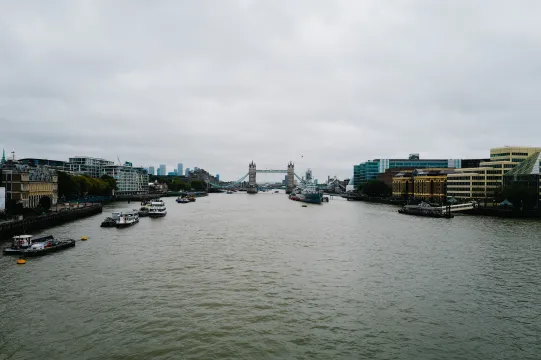
- A guided case study recreates the 1858 “Big Stink” on the Thames River in London.
Teaching Materials
Preparation:
- Before students enter the interactive resource, tell them not to adjust the controls until directions are given, as the Big Stink exercise asks that some of the controls remain at their defaults.
Climate Change Connections:
- Highlight the impact of warmer temperatures on dissolved oxygen and discuss the impact this may have on the ecosystem as average temperatures rise. Use the final question to transition into this discussion.
Prerequisites:
• Pre-teaching of the content-specific vocabulary in this lesson will support comprehension.
- Consider reviewing how to read a graph.
Options for Action:
- The final question about a warming climate is a strong prompt for connecting the model to real-world dead zones and can lead into researching a local waterway.
Teaching Tips
Standards
Resource Type and Format
About the Partner Provider

LabXchange
Harvard University’s LabXchange is a free online platform for science education, created with support from the Amgen Foundation. It makes learning science online flexible and fun, with interactives, lab simulations, and more.
Scientist Reviewed
This resource has been reviewed by SubjectToClimate's climate scientists and verified for scientific accuracy and up-to-date information. Our review process ensures that every resource in our library reflects the current state of climate science.
Learn about our review process →