
Deep Geothermal Heat Research
Provided by: Cornell University|Published on: October 2, 2023
Grades: 9, 10, 11, 12, AP
Type: Articles/Websites
Subjects: Physics, Earth and Space Sciences, Engineering
Authors: Cornell University
Region: North America, USA - Northeast, United States, New York, Central & Western NY
Languages: English
This resource has been reviewed by SubjectToClimate's climate scientists and verified for scientific accuracy and up-to-date information. Learn about our review process →
This resource has been reviewed by SubjectToClimate's climate scientists and verified for scientific accuracy and up-to-date information. Learn about our review process →
Synopsis
- This resource describes the work being done at Cornell University to research the feasibility of using deep geothermal heat to locally provide an alternative energy source on campus and achieve their carbon neutrality goals.
- There are text, videos, and links to research papers that provide information about the Cornell University Borehole Observatory (CUBO), including the methods and results of the continuing project to drill a two-mile deep hole to research the potential for harnessing deep geothermal heat.
- The videos describe how deep geothermal heat energy is a non-carbon based energy source that results from water being pumped deep into Earth's crust, heated, and then returned to the surface to be used for energy.
Teaching Materials
Positives
- This project shows how students, professors, scientists, and engineers can collaborate to find solutions for the climate crisis.
- The video definitively states that non-carbon-based energy sources are imperative for a sustainable future and to combat climate change.
- There are excellent visualizations in the video to help students understand how deep geothermal energy is explored and could be utilized.
Additional Prerequisites
- Students should be familiar with renewable and non-carbon energy sources.
- Students should be familiar with the following terms: geothermal, carbon neutrality, carbon emissions, and fossil fuels.
Differentiation
- Before reviewing this webpage and videos, ask students what they know about renewable energy and what they think could be the best energy solutions for the future.
- It may be helpful to have a graphic organizer for students on which they draw a diagram of the infrastructure and process for extracting and using deep geothermal heat as shown in the video.
- After watching the video, have students research other projects that are exploring the potential of deep geothermal energy throughout the United States.
- Have students explore the importance of science communication by analyzing how the university students are communicating this research through videos on the website.
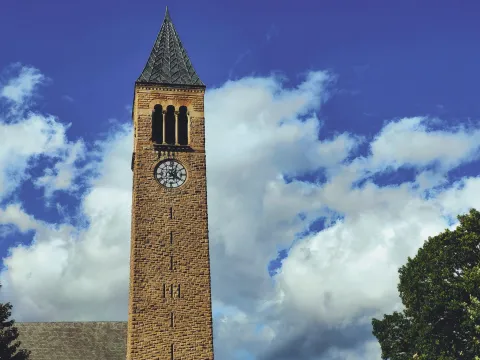
This resource focuses on the Cornell University Borehole Observatory (CUBO) and the plan to use deep geothermal heat to make the Ithaca campus carbon neutral by 2035. The home page features two short videos that will introduce students to geothermal heat in general and to the CUBO project. The science overview page gives a quick introduction to geology, geothermal heat extraction, and seismic concerns. The "Going Deep Summer ‘22" page will be of great interest to students with at least a little geology background, particularly if they start from the bottom of the page and go through the discovery process as it occurred. The teacher resources page features links to connecting the CUBO project to the Next Generation Science Standards and promises that more teacher resources are upcoming. This resource is recommended for teaching.
Teaching Tips
Standards
Resource Type and Format
Scientist Reviewed
This resource has been reviewed by SubjectToClimate's climate scientists and verified for scientific accuracy and up-to-date information. Our review process ensures that every resource in our library reflects the current state of climate science.
Learn about our review process →